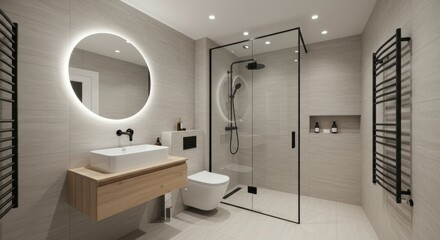
J&R Construction will select the right tile to design your bathroom, setting the stage for a space that’s as functional as it is beautiful. From the sleek serenity of marble to the soulful imperfection of zellige, there are many ways to express your design aesthetic with this essential material.
Durability
Choosing tile that balances style with long-lasting durability can feel overwhelming, given the many technical details that affect material performance. Standardized industry tests evaluate multiple critical characteristics, including water absorption rates, breaking strength, surface wear resistance, chemical stability, and thermal shock tolerance. Considering these factors in combination with specific environmental conditions and usage scenarios, homeowners can predict the longevity of their tile installations.
Tile thickness, glaze, and surface treatment also play a role in how well tile resists moisture exposure and staining. For example, ceramic tiles with a thicker glazing tend to have better durability than thin glazed options.
Surface treatments like matte, honed, or textured finishes can further boost a tile’s durability. For instance, a honed finish hides scuff marks and scratches more effectively, while adding an elegant, timeless aesthetic. Similarly, selecting unglazed tiles with a rough texture can provide superior slip resistance and make them a good choice for wet flooring applications.
Natural stone tiles bring beauty and organic appeal to bathroom environments, but their longevity depends heavily on the quality of installation and consistent maintenance. For example, marble is softer and more porous than granite, making it susceptible to water damage, etching, and staining. On the other hand, limestone and slate offer a rugged, earthy look with a natural texture that provides excellent slip resistance and holds up to repeated scrubbing.
Tiles with a high Modulus of Rupture (MOR) rating can withstand considerable bending and crushing forces, which are common in bathroom settings. This characteristic is a good indicator of how durable a tile will be, particularly in areas where cabinets and tubs are supported by the floor.
While DIYers can achieve stunning results with careful preparation and manufacturer-backed instructions, professional installation is the best way to ensure tile durability. Tile specialists not only take into account the type and finish of each piece, they also consider the layout and install waterproofing membranes to protect surfaces from moisture infiltration. These measures greatly improve the durability of your bathroom tile and help extend its lifespan.
Style
The design of bathroom tile can transform a utilitarian space into a luxurious, curated retreat. From sleek porcelain to textured stone, tiles offer a range of style aesthetics that complement any design scheme. Choosing a durable material that also offers the best style is a critical decision that requires research and professional consultation.
The right bathroom tile creates a harmonious balance of beauty and resilience that safeguards against moisture damage, everyday wear, and tear. The most durable tiles are made of impervious materials that resist stains and are easy to clean. Ceramic and porcelain are popular choices for wet environments due to their low porosity and resistance to scratching. Marble and slate bring elegance with natural veining and texture, but require regular sealing and gentle care. Quartzite is a metamorphic rock prized for its crystalline shimmer and extreme hardness, boasting a Mohs scale rating of 7. It’s an ideal alternative to marble, exhibiting similar beauty with enhanced durability. It withstands water and wear better than softer stones, making it an excellent choice for shower walls and floors.
Textured tile is a rising trend that adds visual interest to bathrooms with a tactile quality that enhances spa-like comfort. This texture can be created through the use of pattern, shape, finish, and size. For example, a glazed porcelain mosaic tile in a matte finish like the Leona 3×3 Matte Porcelain Hexagon Mosaic Tile in Nero Marquin offers a sophisticated look that adapts to contemporary and classic interior styles alike.
A herringbone pattern is another way to infuse a tile design with movement and depth. The v-shaped arrangement adds dimension to walls, floors, or backsplashes, and elevates budget-friendly porcelain or ceramic tiles.
Fluted tiles are the latest tile craze, offering a unique surface texture and visual appeal with minimal grout lines. They’re available in a wide range of hues, ranging from earthy greens to soft blush pinks. For a fresh and sculptural look, try the Zanetti Jade Green Patterned Tile in a white backdrop, or opt for a subtle variation on the color palette with the Carrara Rosa Pink Marble Effect Tile.
Eco-friendliness
We all have an impact on the environment, and even small changes can make a difference. From recycling to shopping with the environment in mind, eco-friendly initiatives can help reduce our carbon footprint and conserve natural resources. Choosing tiles with eco-friendly benefits is another way you can protect your home and the planet.
From timeless subway tile and classic herringbone to on-trend hexagon tile, there are plenty of style choices for your next bathroom project. Whether you opt for porcelain or ceramic, both are ideal for wet environments. They are less porous, easy to clean and resistant to mold and bacteria. For an organic, luxe look try marble-look tile or textured stone like slate. The beauty of natural stone is its veining and fossilization, which can lend a rustic, subdued or noble feel to any bathroom design. However, it can stain and etch when exposed to excess moisture, so regular sealing is required.
Alternatively, you can opt for concrete and cement-look tile, which also adds a unique, textural element to the space. Cement tile is nonporous and naturally slip resistant, but it needs a regular application of penetrating sealer. Other natural stone options like travertine or limestone are a great choice for floors, but they are not suitable for shower walls.
Another great alternative is glazed brick, which offers a modern take on a historic material. It can be used to create a bold accent wall or a full floor covering. It comes in a wide range of color options, but light hues like soft whites and pale grays open up compact bathrooms by reflecting more natural sunlight. You can also opt for gentle textures, like a honed or matte finish, to add depth without overwhelming smaller spaces.
Budget
Bathroom tile is a significant investment for any homeowner. The cost can vary significantly depending on the type, size, and installation process. Understanding the costs of each element can help you set a budget for your renovation project and choose the best tiles to fit your style and needs.
The first step in budgeting for bathroom tile is to understand the typical cost per square foot for each type of tile. Different materials react differently when scaled up, and the type of installation can also have a major impact on overall expenses. For example, large-format tiles tend to be more expensive than standard sizes due to the extra labor and material that is required to ensure a clean, professional finish. However, these larger tiles can offer a variety of long-term benefits like better water resistance and easier maintenance, making them a worthwhile investment.
Once you know the cost of your preferred materials, consider additional expenses like grout and mortar or adhesives. These can add up quickly and may impact your final budget. For instance, natural stone tiles are often more costly than ceramic, and some options, such as travertine, require special mortars to maintain a safe and durable finish.
Another factor that can affect the total expense of your bathroom renovation is the tile color. Lighter colors can brighten a room and create a spa-like atmosphere, while darker tones can make a bathroom feel cozier and more intimate. In addition, tile patterns can have a big impact on the appearance of a space. Mosaic tiles, for instance, are ideal for accent walls or decorative borders and can add a splash of color without overwhelming small bathrooms.
In high-moisture areas, it is important to prioritize durability and slip-resistance. For example, a shower floor should be slip-resistant and waterproof to protect against water damage. However, floors in less-frequently used areas can use lower-cost tile options that are still durable and attractive.
It is important to prioritize your budget wisely to achieve the look you want while staying within your project’s limits. A good way to do this is by focusing on the most important areas, such as around the bathtub or shower. This will allow you to choose more luxurious or expensive tiles in these key focal points while saving money on less-frequently used areas where durability isn’t as crucial.
