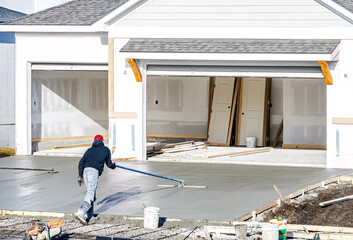
After recent catastrophic wildfires, hurricanes and other natural disasters, durability has become a top priority for homeowners when building or purchasing new homes. Fortunately, new advancements in concrete construction are making it easier and more cost-effective to create durable and beautiful homes.
GK Construction Solutions emphasizes that concrete blocks and poured concrete offer the stability, longevity, and sustainability needed for resilient residential construction. These materials provide a strong foundation that ensures lasting performance and energy efficiency.
Strength
Concrete is a vital element in residential construction, laying the foundation for a durable, safe, and sustainable living space. Whether used in driveways, sidewalks, patios, or retaining walls, concrete is a versatile construction material that allows builders to create functional and beautiful homes.
When choosing concrete for your home, you will need to understand its strength and durability in order to make the best decision. Concrete strength is measured in pounds per square inch (PSI), and it measures the amount of force that a slab can withstand before it fails. The higher the PSI, the more durable and structurally sound a concrete slab will be.
However, not all concrete is created equal. The quality and mix of concrete can significantly impact its PSI. For this reason, it is critical to work with a trusted concrete contractor that uses advanced technology to optimize the strength of each batch. Incorrectly estimating the PSI of a concrete mixture can lead to structural failures, costly repairs, and delayed project completion.
The strength of concrete can be attributed to its compressive and shear strength. Compressive strength is a measure of how much force the concrete can bear when it is being stretched, and shear strength is how well it handles forces pulling away from the surface. In general, concrete is very resilient against shear and compressive stress, but it is not as strong against tensile force.
Concrete offers homeowners a range of other benefits beyond its strength and durability. It can withstand extreme weather conditions, including floods and hurricane-force winds, and provides a solid foundation for your home. Additionally, concrete is non-combustible and can offer an extra layer of protection against fire damage. Concrete is also an effective insulator, helping to reduce energy costs and noise pollution within the home.
Residential concrete construction is a smart and long-lasting investment. It helps future-proof your home against changing weather conditions, rising energy costs, and maintenance demands. Plus, it can help you save on insurance premiums because many providers reward homes built with concrete with more favorable coverage terms. The durability of concrete also means lower repair and replacement costs in the long run.
Durability
Concrete has long been a critical building material for many types of residential structures, from sidewalks and driveways to foundations and retaining walls. The use of concrete in homes is continuing to rise, as more and more people realize the value of this strong, durable construction material. Concrete offers homeowners solid, disaster-resistant construction, as well as lower energy bills and easier maintenance.
While some people may still think of a concrete home as drab, solitary confinement-like structure, there are now several options for creating aesthetically pleasing concrete homes. Using modern techniques, it is possible to use color additives and texturing tools to replicate the look of stone, wood, or other materials while maintaining the durability of concrete.
Because of their durability, concrete buildings can withstand a wide range of natural and man-made disasters. These include fires, floods, and hurricane-force winds. In addition, a concrete home’s thick walls provide excellent insulating properties. This helps to lower heating and cooling costs and improve indoor comfort. Many insurance companies also offer lower premiums for concrete-constructed homes, as they are more likely to withstand damage from natural events and disasters.
Another benefit of the enduring strength and durability of concrete is that it lasts longer than most other building materials, including wood and steel. This longevity reduces waste and saves homeowners money, as it decreases the need for repair, reconstruction, and demolition over time. In addition, concrete’s high resiliency means that it can be reused for a variety of purposes over its lifetime without significant environmental impact.
Lastly, the use of recycled content in concrete, such as fly ash and slag cement, can further reduce the environmental impact of its production. This is because these materials help to minimize the amount of embodied carbon in a building. Additionally, a concrete building’s long life span and energy efficiency can significantly reduce its operational carbon footprint.
Whether you are interested in incorporating concrete into your next project or just want to learn more about the benefits of residential concrete construction, contact NC Bratko Construction today. Our experienced team can help you design a concrete home that meets your aesthetic and functional requirements while ensuring long-lasting performance.
Aesthetics
Concrete is often thought of as a utilitarian material, but it can also enhance the aesthetics of a home. For example, modern concrete homes may feature large windows and open spaces that take advantage of natural light. The concrete can also be colored or textured to complement the architecture of the house and enhance its visual appeal.
While many homeowners use concrete for driveways and patios, they can also incorporate it in the foundation or structural walls of a home. This type of residential concrete construction provides a cost-effective solution for enhancing the function and beauty of a living space.
Concrete structures are designed to withstand tensile and compressive stresses, making them long-lasting. The durability of concrete can be further enhanced with the addition of reinforcing materials, extending the lifespan of a structure and reducing maintenance costs. Additionally, concrete is water-resistant, making it a great choice for outdoor applications like pools and decks.
In addition to the longevity and durability of concrete, it can also offer energy efficiency. In fact, concrete homes can save up to 25% in energy costs compared to standard stick-built homes, according to the Concrete Network. This is due to the insulating power of concrete and its ability to maintain a consistent temperature.
Furthermore, concrete is a non-combustible material and offers fire resistance that protects a home against damage from flames and smoke. It can also withstand the elements and prevent damage from invasive pests.
With a wide range of design options, the durability of concrete allows for a variety of architectural styles to be integrated into the structure of a home. Its flexibility can also allow for a more spacious layout without compromising structural integrity. In addition, concrete can be modified or renovated even after it is set with the right modification methods. This makes it an ideal building material for a wide range of residential projects.
Maintenance
Concrete’s long lifespan reduces waste and reliance on landfills, while its energy-efficient properties cut heating and cooling costs. The material is also resistant to natural disasters and other environmental hazards, reducing the frequency of repairs and replacements. This, combined with its low installation cost and energy-saving benefits, makes concrete a smart investment for homeowners.
Concrete is an attractive building material for both interior and exterior uses. Its versatility and durability make it a popular choice for flooring, countertops, sinks, and bathroom and kitchen accents. Concrete can be molded to create an array of interesting textures and colors, bringing modern style to homes. It can even be cast to imitate the look of bricks, enhancing the appeal of a home’s exterior.
Homeowners love the convenience and low maintenance of concrete. Concrete-built structures are not subject to rot, and are less likely to be damaged by termites or fire. In addition, many insurance companies offer lower premiums for fire-resistant concrete homes.
When hiring a contractor to build or repair a concrete structure, ask for references and a portfolio of previous work. A reputable contractor will provide transparent pricing and an estimate that explains the project’s timeline and potential variables. They will also stand behind their work with warranties and responsive customer service. Additionally, ensure that the company is licensed and insured for your protection.
Unlike wood, which can quickly decompose and deteriorate, concrete is non-biodegradable and will not rot or attract insects. It is also a great insulator, helping to maintain indoor temperatures and lowering heating costs. Furthermore, the dense nature of concrete prevents external noise from permeating the home’s interior, providing a quiet and comfortable environment.
Concrete is a sustainable building material, using recycled content and minimizing the use of raw materials. The material is also non-toxic and environmentally responsible. Furthermore, concrete’s thermal mass helps regulate indoor temperature and minimizes air circulation, resulting in an energy-efficient residence that can save on electricity bills. The durability of concrete allows for a smaller HVAC system, further reducing energy expenses. This savings translates into substantial financial benefits for homeowners in the long run.